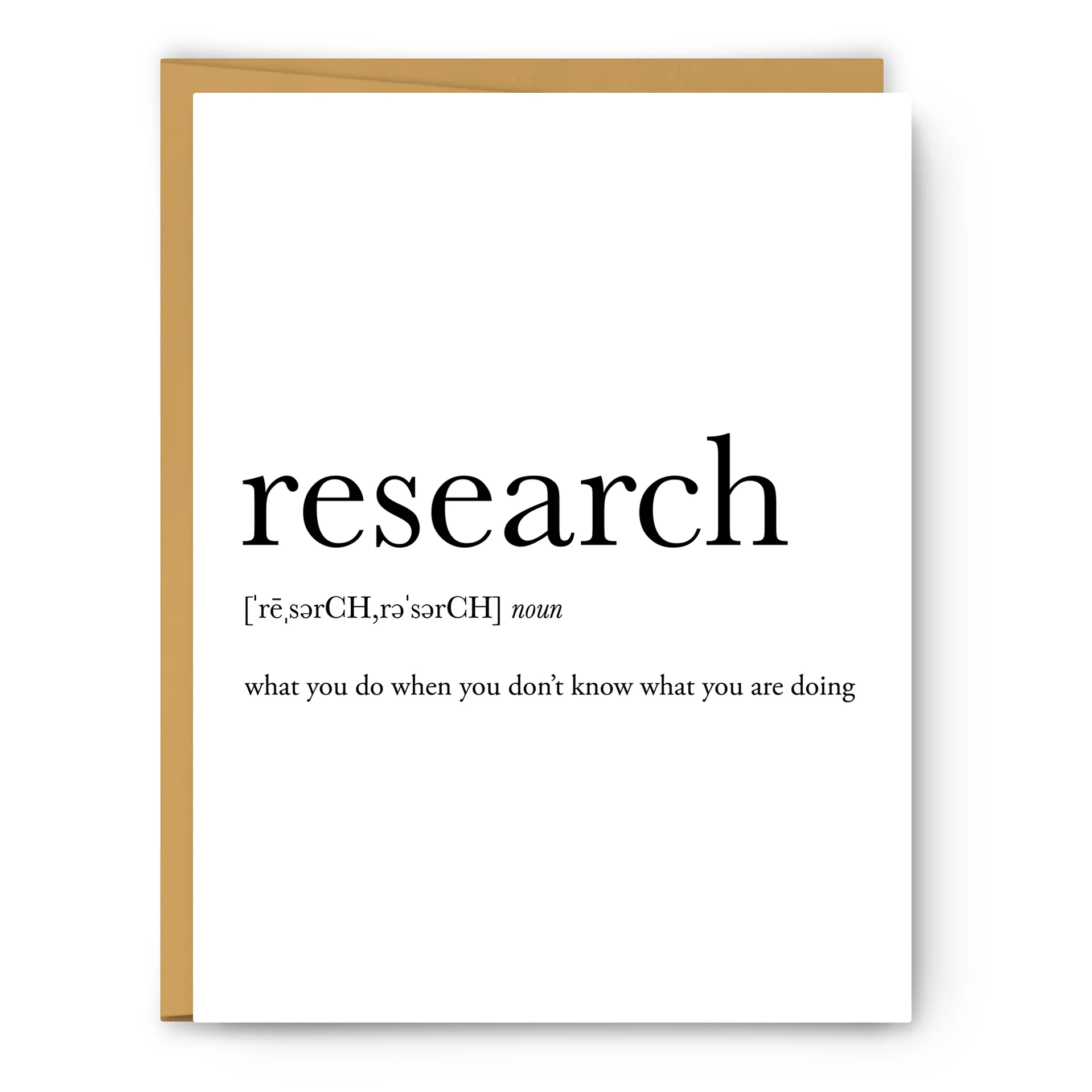
Greeting cards have long been a staple of personal communication, serving as a medium for expressing sentiments during special occasions. The evolution of greeting cards reflects cultural shifts and technological advancements, making them an interesting subject for research. This article delves into the various aspects of greeting card research, exploring their history, significance, and impact on social interactions.
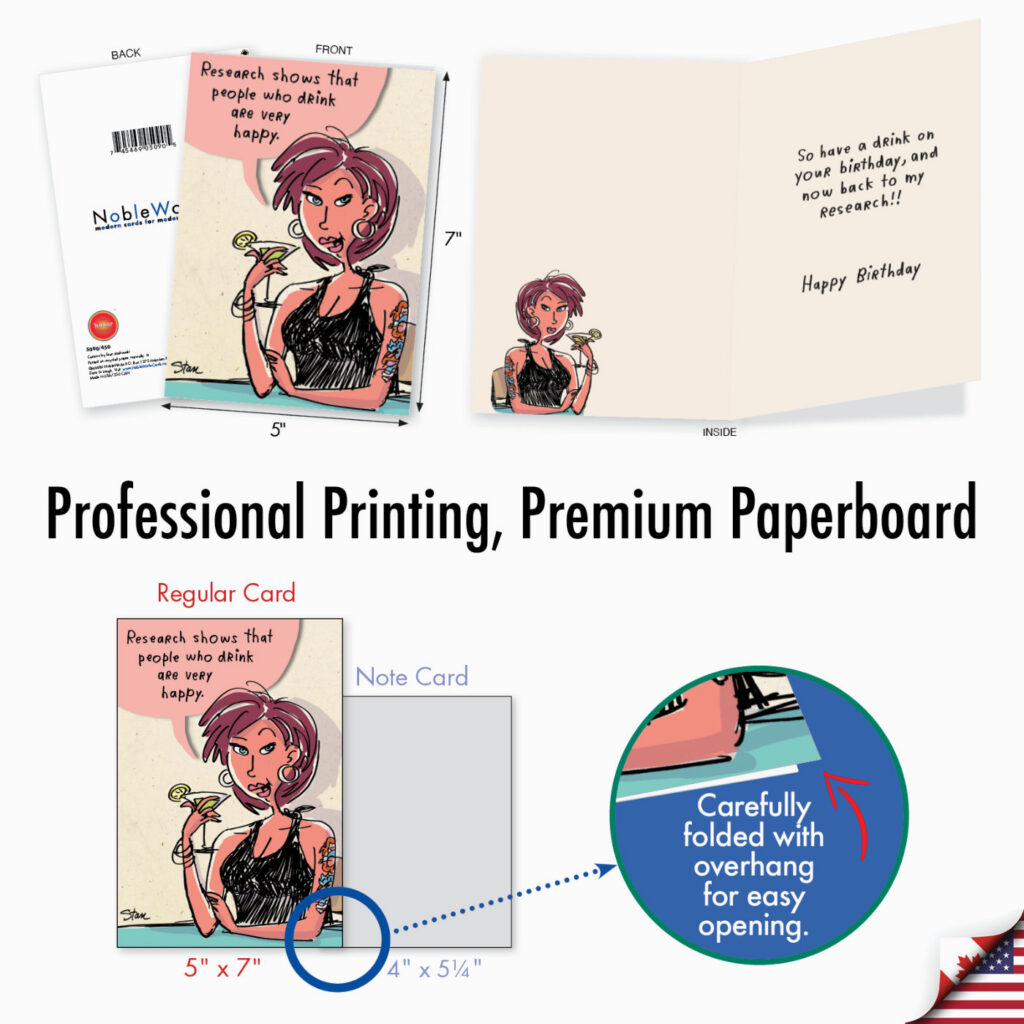
Greeting Card Research Paper
History of Greeting Cards
The origins of greeting cards can be traced back to ancient civilizations, where messages were inscribed on papyrus and exchanged during festivals. Over time, the practice evolved, with printed cards emerging in the 15th century in Europe. The introduction of the printing press revolutionized the production of greeting cards, making them accessible to a wider audience.
By the 19th century, greeting cards became commercially popular, particularly in the United States. The establishment of companies like Hallmark and American Greetings marked a significant turning point in the industry. Today, greeting cards are available for virtually every occasion, reflecting diverse themes and styles that cater to various demographics.
Significance of Greeting Cards
Greeting cards play a crucial role in human connection, allowing individuals to convey emotions and sentiments that may be difficult to express verbally. They serve as tangible reminders of relationships and milestones, enhancing emotional bonds between friends and family. Research indicates that receiving a card can significantly boost an individual’s mood and foster feelings of appreciation.
Moreover, greeting cards are often used in marketing strategies by businesses to strengthen customer relationships. Personalized cards can enhance brand loyalty and create a lasting impression on clients. This dual significance—personal and commercial—highlights the importance of greeting cards in both social and economic contexts.
Impact of Technology on Greeting Cards
The rise of digital communication has transformed the landscape of greeting cards. E-cards and social media greetings offer instant alternatives to traditional paper cards. However, research shows that physical greeting cards still hold a unique value; they are often perceived as more thoughtful and personal compared to their digital counterparts.
Despite the convenience of digital options, many consumers continue to prefer sending physical cards for special occasions. This trend suggests that while technology has changed how we communicate, the emotional weight carried by a handwritten card remains irreplaceable. Understanding this dynamic is essential for researchers examining the future of greeting cards in an increasingly digital world.
Download Greeting Card Research Paper
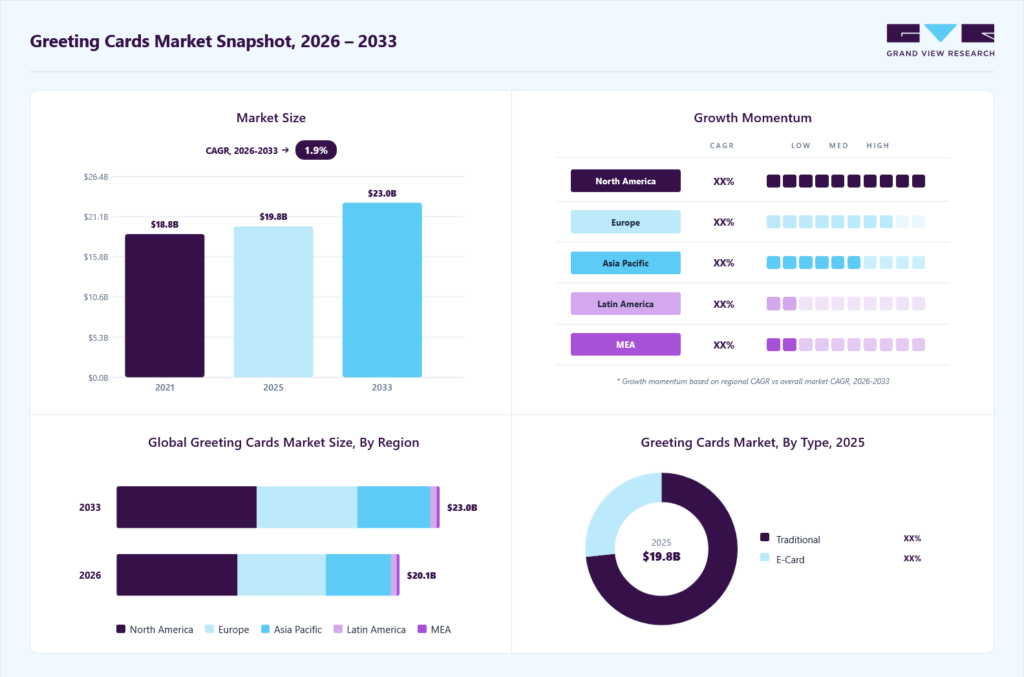
Greeting Cards Market Report
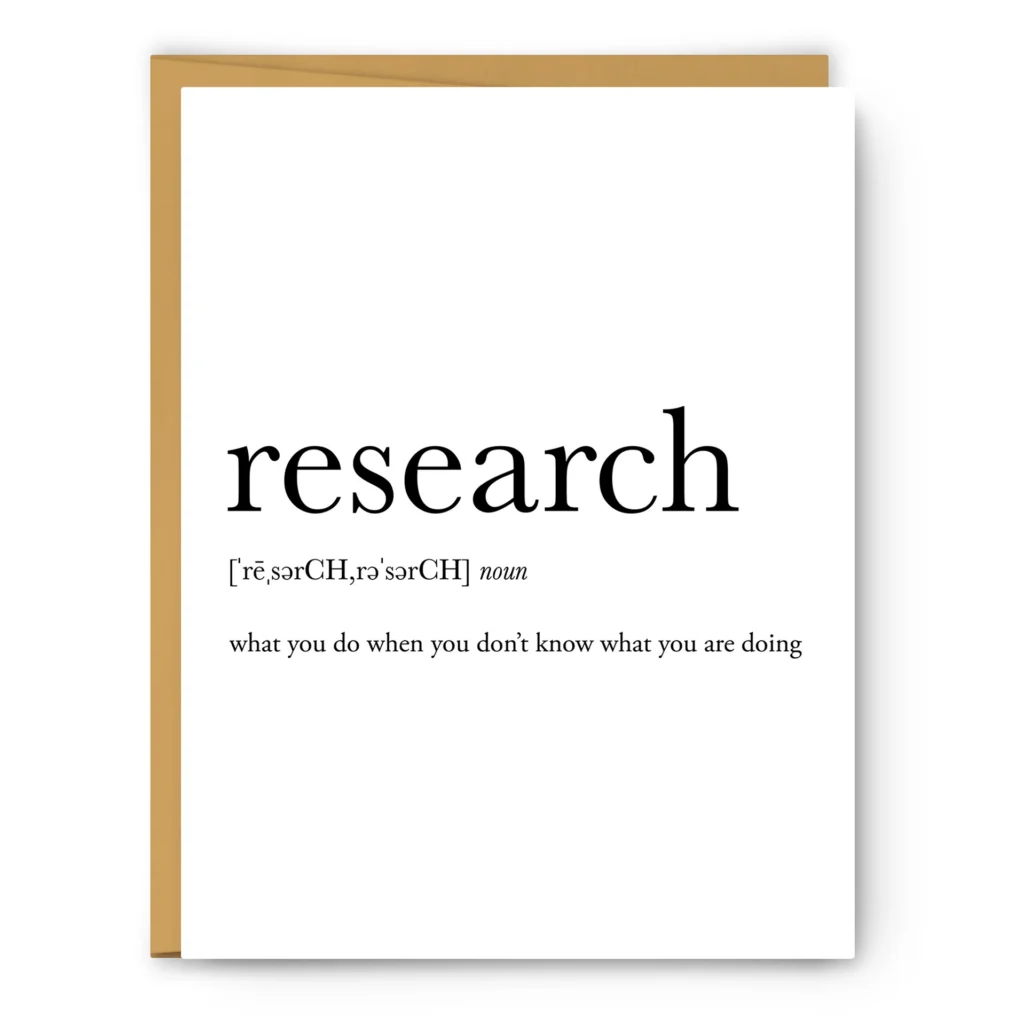
Research